
25 September 2026, 18:00 WIB
Car Wheel Types, Materials, and Manufacturing Processes
Wheels are often among the first components replaced when owners want to change a car's appearance. Design and finish matter, but beneath the spokes and styling details, a wheel serves a more fundamental purpose. It supports the tire and forms part of the wheel assembly, influencing how a vehicle responds on the road.
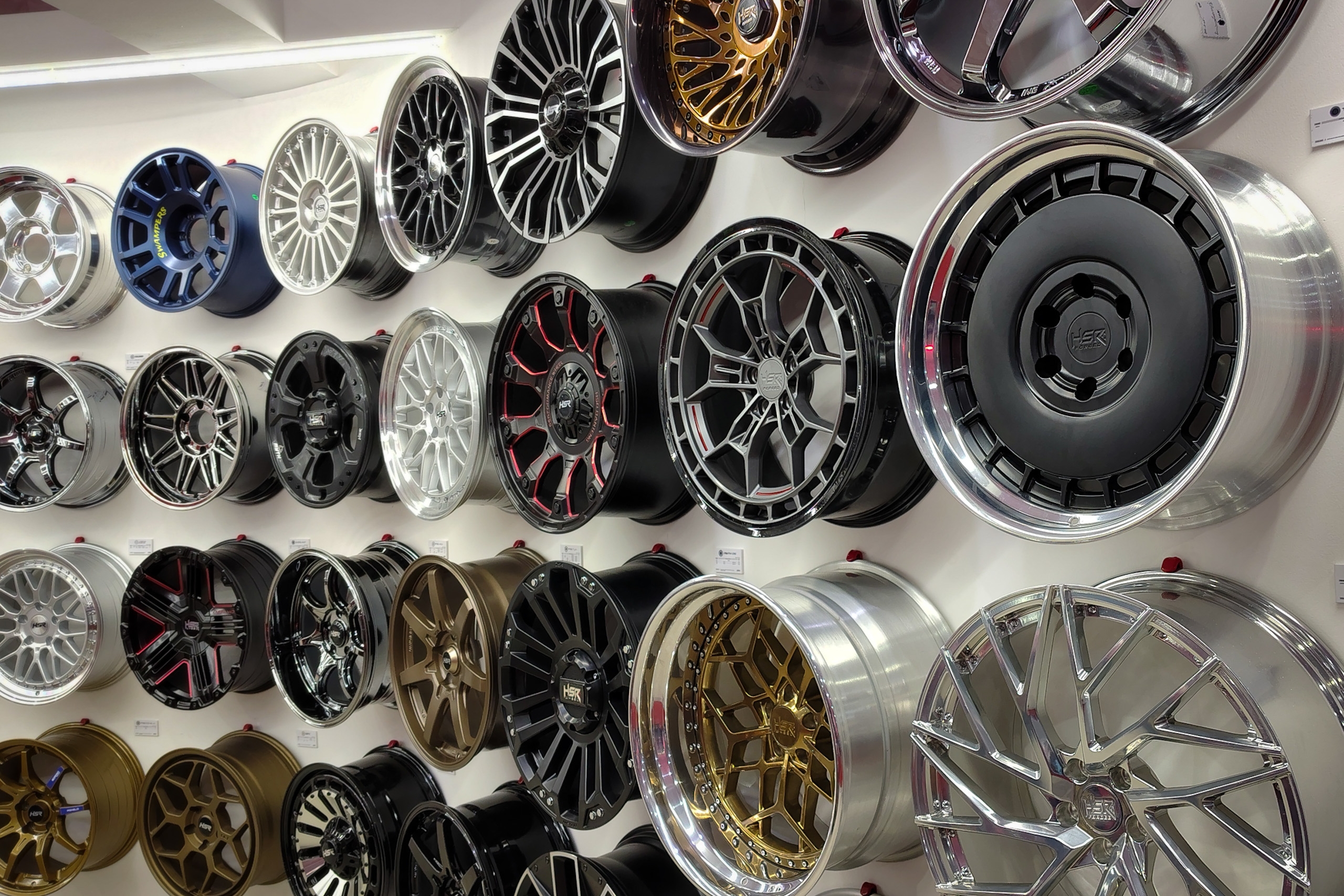
One way to understand wheel differences is to look at how they are manufactured. Casting involves pouring molten metal into a mold, making it an efficient option for mass production and a wide range of designs. Forged wheels, on the other hand, are shaped from solid metal under high pressure. This process can produce a strong structure with the potential for lower weight. Flow forming uses a spinning process to shape and refine selected sections of the wheel, offering another approach to balancing structural properties and manufacturing cost.
These manufacturing methods affect price, weight, and potential applications. Cast wheels are generally more affordable, while forged wheels tend to command higher prices because of their production process. Flow-formed wheels sit between these two approaches in many product ranges. However, manufacturing method alone does not determine wheel quality. Design, material selection, quality control, and technical specifications all contribute to the final product.
Material choice also influences wheel characteristics. Steel wheels are known for their durability and relatively low cost, although they tend to be heavier. Alloy wheels, commonly made from aluminum-based alloys, are widely used because they combine weight efficiency with strength and design flexibility. Carbon-fiber wheels are available for selected applications where very low weight is a priority, but their cost and specific use cases make them less common than steel or aluminum wheels.
Wheel construction is another important distinction. Monoblock wheels are made as a single piece, while multi-piece wheels are assembled from separate components. Multi-piece construction offers flexibility in configuration and can allow certain damaged sections to be serviced individually, although the joints require proper inspection and maintenance. Monoblock wheels have a simpler, integrated structure because they do not rely on separate wheel sections.
Wheel diameter should always be considered alongside tire dimensions. Moving to a larger wheel diameter generally requires a lower-profile tire to keep the overall wheel-and-tire diameter close to the original specification. This change can affect ride comfort, steering response, and the wheel's protection against pothole impacts. Diameter is only one part of the equation, however. Wheel width, offset, bolt pattern, load rating, and compatibility with the tires and braking system must also be checked.
For everyday driving, the best wheel is not necessarily the largest or lightest option available. Road conditions, vehicle load, driving habits, and comfort requirements all influence the right specification. The selected wheels must also be paired with tires that meet the recommended size and load requirements. Together, the wheel and tire combination affects the tire's contact with the road, handling characteristics, and the assembly's ability to cope with varying surface conditions.
INDONESIA 🇮🇩
Jenis Velg Mobil, Material, dan Proses Pembuatannya
Velg sering menjadi komponen pertama yang diganti ketika pemilik mobil ingin mengubah tampilan kendaraannya. Pilihan desain memang beragam, tetapi di balik bentuk palang dan finishing yang menarik, velg punya tugas penting sebagai penopang ban sekaligus bagian dari sistem roda yang memengaruhi karakter berkendara.
Salah satu cara memahami perbedaan velg adalah melihat proses pembuatannya. Velg *casting* diproduksi dengan menuangkan logam cair ke dalam cetakan. Metode ini relatif efisien untuk produksi massal dan menawarkan banyak pilihan desain. Sementara itu, velg *forged* dibentuk dari material logam padat menggunakan tekanan tinggi. Proses tersebut memungkinkan struktur material yang kuat dengan bobot yang dapat dibuat lebih ringan. Ada pula *flow forming*, teknik yang menggunakan proses pembentukan melalui putaran untuk memperbaiki karakter material pada bagian tertentu velg.
Perbedaan metode produksi juga berkaitan dengan harga, bobot, dan karakter penggunaan. Velg casting umumnya lebih terjangkau, sedangkan forged biasanya berada di kelas harga lebih tinggi karena proses pembuatannya. Flow forming menawarkan alternatif di antara keduanya. Namun, kualitas sebuah velg tidak bisa ditentukan hanya dari nama metode produksinya. Desain, material, proses kontrol kualitas, serta spesifikasi teknis tetap perlu diperhatikan.
Material juga menentukan karakter velg. Velg baja atau *steel wheel* dikenal tangguh dan ekonomis, tetapi bobotnya cenderung lebih berat. Velg *alloy* berbahan paduan logam, umumnya aluminium, banyak digunakan karena menawarkan kombinasi bobot, kekuatan, dan fleksibilitas desain. Sementara itu, carbon fiber digunakan pada aplikasi tertentu yang membutuhkan bobot sangat ringan, meski biaya dan karakter penggunaannya membuat material ini tidak seumum baja atau aluminium.
Selain bahan dan metode produksi, konstruksi velg turut membedakan karakter produk. Velg *monoblock* dibuat sebagai satu kesatuan, sedangkan velg *multi-piece* terdiri dari beberapa bagian yang dirakit. Konstruksi multi-piece memberikan fleksibilitas dalam konfigurasi dan perbaikan pada bagian tertentu, tetapi sambungan antarkomponen membutuhkan perhatian khusus. Sebaliknya, monoblock memiliki konstruksi lebih sederhana karena tidak menggunakan sambungan antarbagiannya.
Diameter velg juga perlu dipertimbangkan bersama ukuran ban. Mengganti velg berdiameter lebih besar biasanya membutuhkan ban dengan profil lebih tipis agar diameter keseluruhan roda tetap mendekati spesifikasi awal. Perubahan ini dapat memengaruhi kenyamanan, respons kemudi, dan perlindungan velg ketika melewati lubang. Karena itu, diameter bukan satu-satunya ukuran yang perlu diperiksa. Lebar velg, offset, pola baut, kapasitas beban, serta kompatibilitas dengan ban dan sistem rem juga harus sesuai.
Bagi pengguna mobil harian, pilihan velg ideal tidak selalu yang paling ringan atau paling besar. Kondisi jalan, beban kendaraan, gaya berkendara, dan kebutuhan kenyamanan ikut menentukan spesifikasi yang tepat. Velg yang sesuai juga perlu dipasangkan dengan ban berukuran dan berkapasitas beban yang direkomendasikan. Kombinasi keduanya berpengaruh terhadap area kontak ban dengan jalan, karakter pengendalian, dan kemampuan roda menghadapi kondisi permukaan yang berbeda.
Share


Related Article

18 February 2026, 18:00 WIB
A Damaged Radiator Cap Can Cause Overheating: Here Are the Causes and Solutions
A damaged radiator cap can cause the engine to overheat and the coolant to run out quickly. Learn the characteristics, causes, effects, and how to maintain the radiator cap so that your car's cooling system remains optimal and the engine lasts longer.

25 April 2026, 18:00 WIB
Understanding Daytime Running Lights: An Aesthetic Feature That Makes Driving Safer
Do you often see white LED lights on during the day? Those are DRLs! Let’s learn about the vital role of Daytime Running Lights for your car’s safety and aesthetics here.
05 October 2026, 18:00 WIB
Common Causes of Steering Wheel Vibration
Experiencing steering wheel vibration while driving? Learn about common causes, including wheel balancing, alignment, tire pressure, damaged wheels, worn suspension components, and brake issues, along with practical maintenance tips to improve vehicle stability and driving safety.